

Midjourney Pricing 2026: Basic, Standard, Pro, Mega and What an Image Really Costs
Four tiers from $10 to $120 a month, billed in GPU minutes not images. We price the real cost per grid, the rollover loss, and metered alternatives.
Midjourney sells four tiers. Basic is $10 a month or $96 a year. Standard is $30 a month or $288 a year. Pro is $60 a month or $576 a year. Mega is $120 a month or $1,152 a year. Plans meter Fast GPU minutes, not images: 200 minutes on Basic, 15 hours on Standard, 30 on Pro, 60 on Mega, with extra Fast time at $4 an hour. Relax mode gives unlimited image generations from Standard up, Stealth Mode requires Pro, and there is no free tier or ongoing free trial.
Key Takeaways
- Four tiers: $10, $30, $60, $120 a month, or $96, $288, $576, $1,152 a year (20% off annual).
- You buy Fast GPU minutes, not images. Basic gets 200 minutes a month, Standard 15 hours, Pro 30, Mega 60. Extra Fast hours cost $4 each.
- Relax mode (unlimited images in the queue) starts at Standard. Stealth Mode (private images) starts at Pro. Unlimited SD video in Relax requires Pro.
- Fast hours do not roll over. Unused Standard hours are $30 of dead meter every month.
- There is no free tier or standing free trial, and Discord is no longer required: Midjourney's own quick start walks you through generating on the web app.
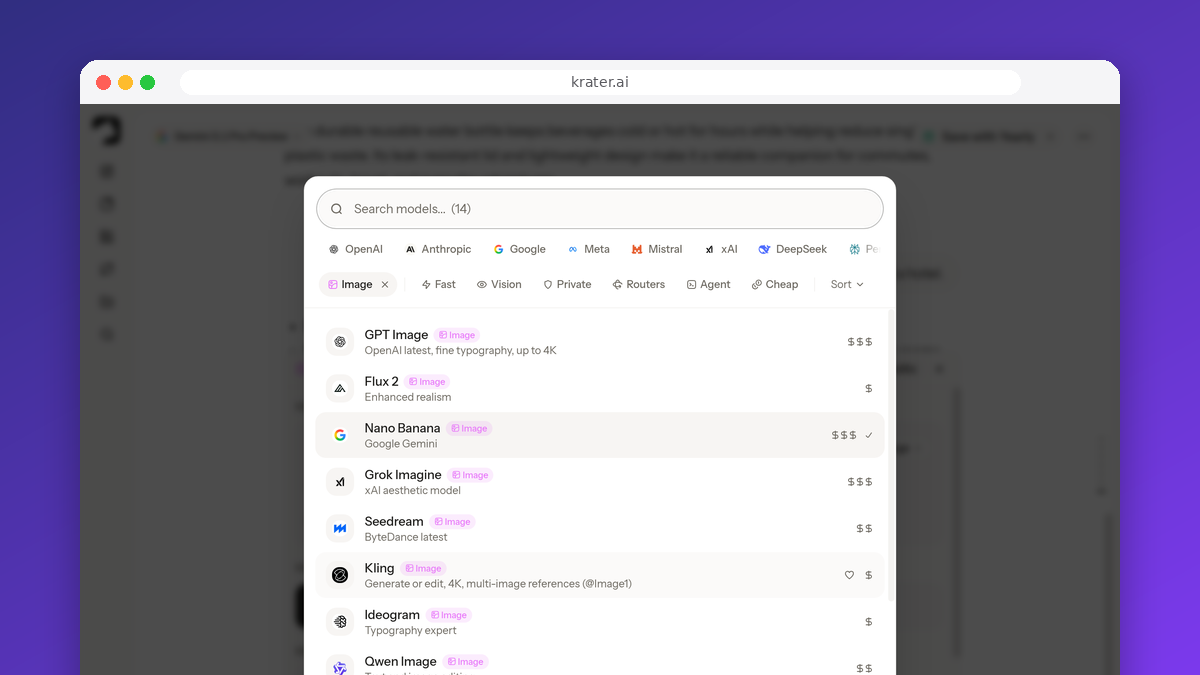
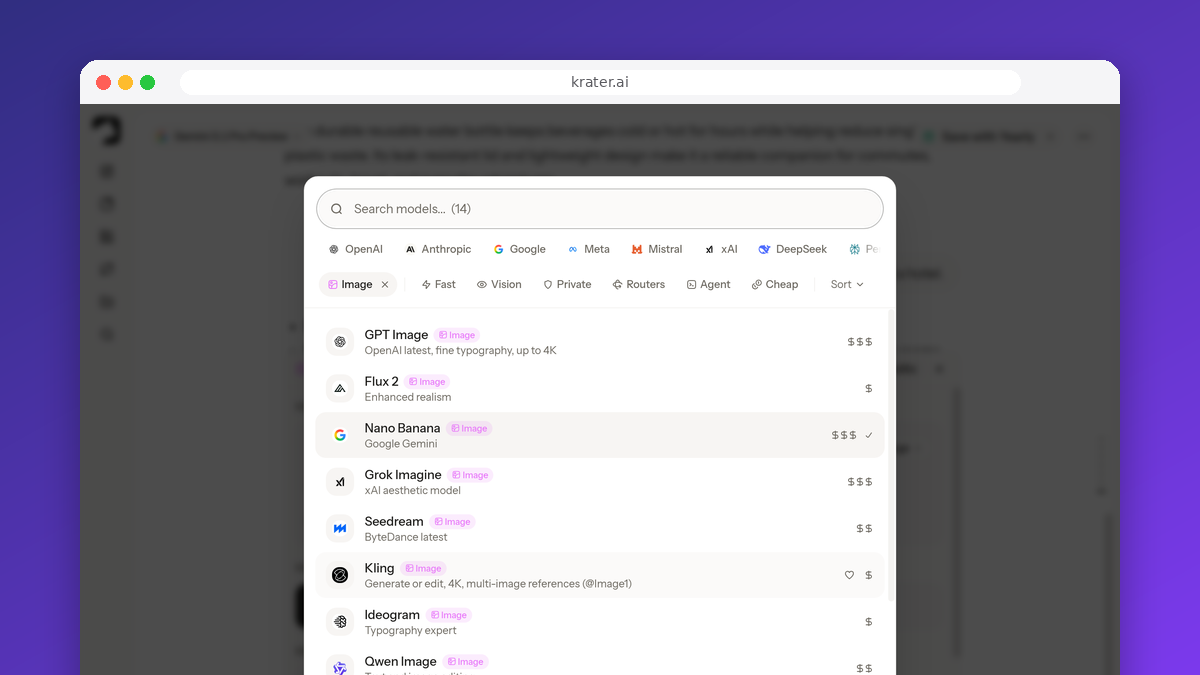
- At roughly one Fast minute per four-image grid, full meter use puts a Midjourney image at about $0.008 to $0.013; Krater's measured image models cost 3 to 20 credits each (about $0.04 to $0.27 at $20 per 1,500 credits) with no monthly meter to burn.
Midjourney plans at a glance
| Plan | Monthly | Annual | Fast GPU | Relax | Stealth | Max concurrent jobs |
|---|---|---|---|---|---|---|
| Basic | $10 | $96 ($8/mo) | 200 minutes | No | No | 3 fast, 0 relax |
| Standard | $30 | $288 ($24/mo) | 15 hours | Unlimited images | No | 3 fast, 10 relax |
| Pro | $60 | $576 ($48/mo) | 30 hours | Unlimited images and SD video | Yes | 12 fast, 3 relax |
| Mega | $120 | $1,152 ($96/mo) | 60 hours | Unlimited images and SD video | Yes | 12 fast, 3 relax |
Source: Midjourney's Comparing Plans doc, read 27 September 2026. Extra Fast GPU time costs $4 per hour on every tier, and companies with more than $1M in annual revenue are required to be on Pro or higher under the commercial-use terms on the same page.
GPU hours, not images: how the meter works
Midjourney does not sell a number of images; it sells minutes on its fast GPUs. A four-image grid uses roughly one Fast minute, with variations, upscales and rerolls all spending more. At that rate, Basic's 200 minutes is about 200 grids a month, Standard's 15 hours is about 900, Pro's 30 hours about 1,800 and Mega's 60 hours about 3,600. Relax mode removes the meter but queues you behind paying Fast jobs, so it suits bulk generation you are not waiting on.
Video pricing
Video is billed in GPU time too, and it is expensive: third party coverage and the docs describe a video batch as roughly 26 GPU minutes for four short clips, about 26x a still image. Unlimited SD video in Relax mode requires Pro or Mega; Basic and Standard pay video out of Fast hours. If video is a regular need, the metered cost per clip is the number to compare, not the plan price.
Annual discount and the rollover loss
Annual billing is 20% off, which is real money at the top tier ($288 a year saved on Mega). The catch nobody quantifies: Fast hours die at the end of every month on both monthly and annual plans. If you pay Standard and use 8 of your 15 hours, $14 of that month's spend evaporates. On Basic the same math is gentler because the tier is cheap, but the pattern compounds upward: a Pro subscriber using half their hours is effectively paying $60 for $30 of meter. Pay-per-image alternatives do not have a meter to waste.
Stealth Mode and the commercial-use clause
Every image you generate below Pro is public in Midjourney's community feed unless you opt out per image. Stealth Mode, which makes outputs private by default, is a Pro feature. That makes the Standard-to-Pro jump a $30 a month privacy premium, and it is the main reason freelancers doing client work end up on Pro rather than Standard. Separately, the terms require companies grossing over $1M a year to hold Pro or higher, so any commercial team at that scale cannot legally run on Basic or Standard regardless of usage.
What you are really buying at each tier
Basic's 200 minutes is a taste, not a workflow: at roughly one minute per four-image grid it covers about 200 grids a month, and rerolls, variations and upscales all spend extra minutes, so real output is lower. Standard is where the product opens up, because Relax mode removes the meter for stills entirely and the 15 Fast hours become headroom for urgent jobs rather than your whole budget. Pro's doubling to 30 hours matters less than the two gates it unlocks: Stealth Mode and unlimited SD video in Relax. Mega is a volume play, pure and simple, for studios running thousands of grids a month.
Concurrency scales the same way the hours do: Basic runs three fast jobs at once, Standard runs three fast plus ten relaxed, and Pro and Mega run twelve fast with three relaxed slots. If you batch-generate, the concurrent job count is often the real bottleneck, not the minute budget.
Topping up is the escape valve at every tier: when Fast hours run out you can buy more at $4 per hour without upgrading. That makes the upgrade question arithmetic, not vibes: only move up a tier when your top-ups plus the privacy or Relax features you need are worth more than the price delta, since $4 an hour is often the rational choice for a single heavy month.
Free trial and Discord status
As of 27 September 2026 there is no standing free trial; the trials that ran in earlier years ended and there is no free tier. Discord is also no longer required: Midjourney's official quick start has you subscribe at midjourney.com and generate your first image on the web app's Create page, mentioning Discord only for community and support. Both facts matter because a lot of ranking pages still describe the Discord-only era.
Cost per image: Midjourney vs paying per image
Using the docs' rough unit of one Fast minute per four-image grid, the per-grid cost at full meter use is:
| Plan | Monthly price | Fast minutes | Approx grids | $ per grid | $ per image (grid of 4) |
|---|---|---|---|---|---|
| Basic | $10 | 200 | ~200 | $0.05 | ~$0.013 |
| Standard | $30 | 900 | ~900 | $0.03 | ~$0.008 |
| Pro | $60 | 1,800 | ~1,800 | $0.03 | ~$0.008 |
| Mega | $120 | 3,600 | ~3,600 | $0.03 | ~$0.008 |
Krater has no Midjourney endpoint; its closest measured alternatives bill per image in credits. At $20 for 1,500 credits on Pro, the per-image dollar cost from our 27 September 2026 test is:
| Model | Credits per image | Median seconds | Approx $ per image |
|---|---|---|---|
| Flux 2 | 4 | 7.3 | $0.05 |
| Ideogram V4 | 3 | 11.0 | $0.04 |
| Recraft 4.1 | 9 | 14.7 | $0.12 |
| Nano Banana | 10 | 9.2 | $0.13 |
| GPT Image 2 | 14 | 39.1 | $0.19 |
| Nano Banana 2 | 20 | 13.4 | $0.27 |
At full meter use Midjourney is cheaper per image than every metered model listed above: roughly $0.008 to $0.013 per image versus $0.04 to $0.27. The metered case wins only on light or uneven months, where Midjourney's dead meter at month-end is pure loss while unused credits sit there, and where you want model choice inside one tool rather than Midjourney's single aesthetic. Full methodology in our 10-model image test.
Midjourney vs DALL-E, GPT Image and Leonardo
OpenAI's image generation is bundled into ChatGPT plans rather than sold per image; Leonardo publishes its own token-based tiers. Midjourney remains the aesthetic benchmark for artistic stills, and its GPU-minute model rewards volume users while punishing light months. Pick it for style and volume, skip it if you generate a handful of images a month.
Hidden costs worth pricing before you subscribe
Three traps recur across the coverage we read and the docs themselves. First, the dead meter: Fast hours expire monthly on every plan, so inconsistent usage is wasted spend, and this is the single biggest difference from a per-image tool. Second, Stealth is locked behind Pro: anyone doing confidential client work on Standard either accepts public outputs or pays the $30 delta, which functions as a privacy tax. Third, video burns minutes at roughly 26x a still: a handful of video experiments can consume a Standard month's Fast budget in an afternoon. Add them together and the effective price of "Midjourney for occasional professional use" is higher than the $30 sticker suggests, which is exactly the gap metered alternatives price into.
Which plan to pick
Basic if you want to try the aesthetic seriously and stay under 200 grids. Standard is the sweet spot for regulars: unlimited Relax removes anxiety and $24 effective monthly on annual is fair for the output quality. Pro for anyone doing client work (Stealth) or heavy video. Mega only if you genuinely run thousands of grids a month.
FAQ
How much does Midjourney cost now?
$10, $30, $60 or $120 a month depending on tier, or $96 to $1,152 a year on annual billing, per the official plans doc.
Is Midjourney worth paying for?
For image quality per dollar at volume, yes: full use of Standard is roughly $0.03 per four-image grid. For occasional use, the dead meter at month-end makes per-image tools better value.
Is there a free trial?
No standing free trial exists as of 27 September 2026. The cheapest way in is Basic at $10.
Is Discord still required?
No. Midjourney's quick start routes new users through the web app at midjourney.com; Discord remains for community and support.
How many images does Basic give you?
About 200 four-image grids a month (200 Fast minutes at roughly one minute per grid), and no Relax mode.
What is the difference between Fast and Relax?
Fast spends your metered GPU minutes and generates immediately. Relax is free and unlimited on Standard and above, but jobs queue behind paying Fast jobs and take longer.
Can you use Midjourney commercially?
Yes on any paid plan, with one hard rule: companies over $1M in annual revenue must be on Pro or Mega per the terms on the plans page.
Do unused Fast hours roll over?
No. Fast hours reset monthly on every plan including annual ones, so unused hours are lost spend.
Related reads
- Best AI image generator: 10 models tested
- Gemini Pricing 2026
- Perplexity Pricing 2026
- ChatGPT Business Pricing 2026
- Claude Pricing 2026
- ChatGPT alternatives
Bottom line
Midjourney's pricing rewards volume and punishes light months. At full meter use the per-grid cost is excellent; at half use it is merely fine, and at a quarter use you are paying a subscription for nothing. Standard on annual is the right default for regulars, Pro is forced on agencies by Stealth and the revenue clause, and anyone generating under 100 images a month should price metered alternatives first.